
In the animal kingdom, a powerful bite can mean the difference between a meal and starvation — between survival and becoming prey. The animals with the strongest bite force list reveal the most jaw-dropping predators on Earth, ranked by the sheer crushing power behind their bite.
Bite force is measured in pounds per square inch (PSI) or Newtons (N) and represents the pressure an animal’s jaws can generate at the point of contact. It is one of the most telling indicators of how an animal hunts, what it eats, and how it has evolved to survive. A powerful bite can crush bone, crack shells, pierce armour, or deliver a killing blow in a fraction of a second.
In this article, we’ll count down the ultimate list of animals with the strongest bite force, explore the science behind their extraordinary jaw power, and reveal exactly what makes each of these creatures nature’s most fearsome biters. Read More about Animals That Can Regrow Body Parts.
A Note on Measurement
It is extremely challenging to measure bite force precisely. Wild animals cannot easily be made to bite a force transducer at full voluntary effort, which is required for direct measurement.
For many large or dangerous species, scientists use mathematical modelling based on:
- Jaw muscle cross-section
- Lever mechanics
- Skull shape
The number of individuals tested varies from study to study. The values below represent the best available scientific estimates, using direct measurements where possible. You Also Like Which Animal Never Sleeps Its Entire Life.
1. Nile Crocodile (Crocodylus niloticus)
Estimated Bite Force: up to 5,000 PSI (≈22,000 N)
The Nile crocodile has the most powerful bite of any living animal today.
A 2012 study led by Florida State University’s Gregory Erickson measured crocodile bite force using a specialized transducer. Large individuals produced around 16,000 Newtons (≈3,700 PSI), while the largest specimens may reach up to 5,000 PSI.
Key Features
- Found in rivers, lakes, and wetlands of sub-Saharan Africa
- Feeds on fish, mammals, birds, and animals near water edges
- Classified as Least Concern by the IUCN
- Extremely strong jaw-closing muscles (adductor mandibulae and pterygoideus)
- Cone-shaped teeth designed for gripping prey
Crocodiles have relatively weak jaw-opening muscles, meaning their mouths can sometimes be held shut by human hands.
Hunting Behavior
- Uses the “death roll” to dismember prey
- Ambush predator striking within seconds
- Capable of taking large animals such as wildebeest, zebras, and buffalo
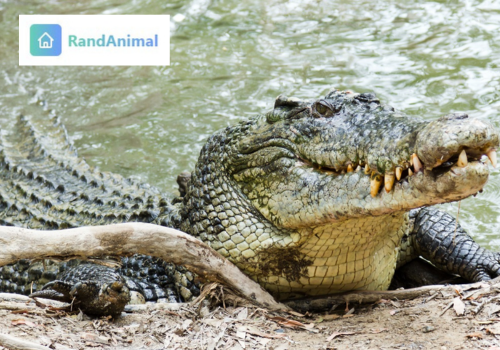
2. Saltwater Crocodile (Crocodylus porosus)
Estimated Bite Force: 3,700–5,000 PSI (≈16,000–22,000 N)
Key Features
- Found in Southeast Asia and northern Australia
- Lives in coastal waters, estuaries, rivers, and open ocean
- Largest living reptile (males up to 6 meters, ~1,000 kg)
- Classified as Least Concern by the IUCN
- Capable of long-distance marine travel
Diet & Behavior
- Eats fish, crustaceans, mammals, sharks, and reptiles
- Uses salt glands to survive in saltwater
- Attacks large prey including buffalo, turtles, and sharks
- Shares similar jaw mechanics with the Nile crocodile
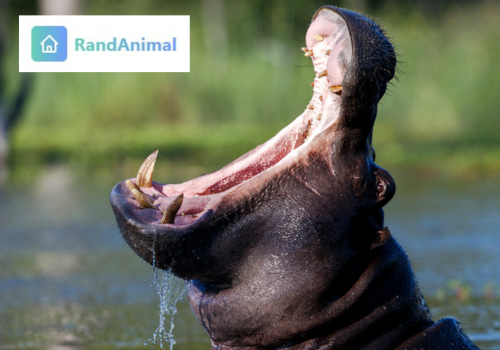
3. Hippopotamus (Hippopotamus amphibius)
Estimated Bite Force: 1,800–2,000 PSI (≈8,000–9,000 N)
Key Features
- Found in rivers, lakes, and wetlands of sub-Saharan Africa
- Primarily herbivorous (feeds on grasses)
- Classified as Vulnerable
- Skull can reach nearly 1 meter in length
- Jaw can open up to 150 degrees
Their canines (modified incisors) can grow up to 50 cm and are mainly used for fighting. Read About Which Animal Has No Brain At All?
Behavior
- Highly territorial and aggressive
- Uses jaws in dominance fights
- Can crush boats and injure large animals such as crocodiles or lions
- Responsible for an estimated 500 human deaths annually
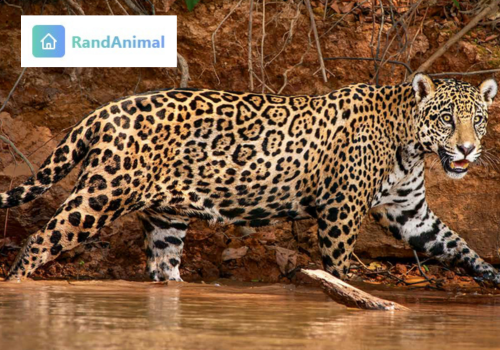
4. Jaguar (Panthera onca)
Estimated Bite Force: ~1,500 PSI (≈6,800 N)
Key Features
- Found in the Amazon Basin, Central, and South America
- Classified as Near Threatened by the IUCN
- Preys on more than 87 species, including caimans, turtles, and anacondas
- Short skull structure concentrates bite force
Hunting Style
- Kills by biting through the skull or spine
- Capable of crushing turtle shells and piercing crocodile skulls
- Strong sagittal crest supports powerful jaw muscles
Gorilla Keeper Notes
Western gorilla (Gorilla gorilla) and eastern gorilla (Gorilla beringei) live in Central African forests and mountainous regions.
Diet & Conservation Status
- Feed on leaves, stems, fruit, bark, and vegetation
- Classified as Endangered/Critically Endangered
Bite Adaptation
- Strong bite due to fibrous plant diet
- Prominent sagittal crest supports jaw muscles
Bite Strength Comparison
- More than 50% stronger than a lion
- Almost equal to a jaguar
Function
- Defense and threat display
- Breaking tough vegetation like bamboo
- Capable of causing serious injury in conflict
Polar Bear (Ursus maritimus)
Estimated Bite Force: ~1,200 PSI (≈5,400 N). Explore the science behind animal migration and discover why millions of creatures travel vast distances each year in one of nature’s most remarkable phenomena.
Habitat & Diet
- Arctic sea ice and tundra
- Feeds mainly on seals, walruses, and beluga whales
Adaptations
- Strongest bite among bear species
- Long canines adapted for gripping prey
- Skull structure optimized for hunting seals
Grizzly bears (Ursus arctos) have an estimated bite force of around 975 PSI and can crush hard bone and objects.
Lion (Panthera leo)
Estimated Bite Force: 650–1,000 PSI (≈4,500 N)
Status & Distribution
- Classified as Vulnerable
- Found in Sub-Saharan Africa and parts of India
Hunting Strategy
- Kills prey by suffocation (throat bite)
- Jaw strength built for endurance rather than peak force
- Consumes entire carcass, including bones
Tiger (Panthera tigris)
Estimated Bite Force: ~1,050 PSI (≈4,700 N)
Habitat & Status
- Found in South and Southeast Asia
- Classified as Endangered
Bite Characteristics
- Stronger bite than lions due to skull and muscle structure
Hunting Method
- Bites throat or neck
- Maintains grip on large prey such as buffalo and gaur
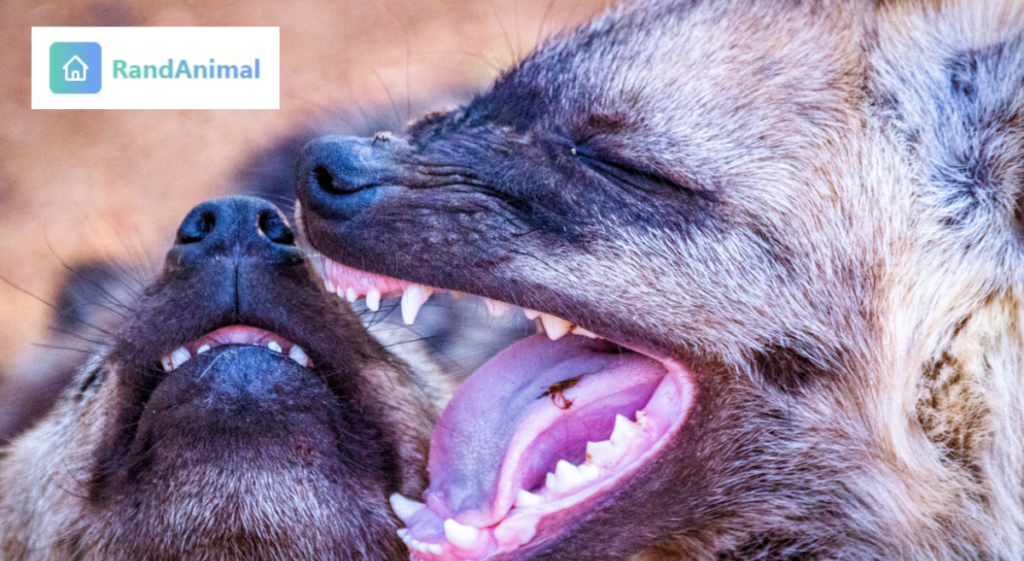
Spotted Hyena
Estimated Bite Force: ~1,100 PSI (≈4,900 N)
Habitat & Diet
- Sub-Saharan Africa
- Feeds on carrion, ungulates, and bones
- Classified as Least Concern
Bite Adaptation
- Strong skull and reinforced teeth for bone crushing
- Capable of breaking large bones like femurs
Ecological Role
- Reduces waste in ecosystems
- Returns nutrients to soil through digestion
- Highly efficient pack hunter
Great White Shark
Estimated Bite Force: ~4,000 PSI (≈18,000 N)
Habitat & Diet
- Found in coastal and offshore oceans worldwide
- Feeds on fish, seals, dolphins, and carcasses
- Classified as Vulnerable
Bite Estimation
- Based on biomechanical modeling and simulations
- No direct maximum bite has been recorded
American Alligator
Estimated Bite Force: 2,125 PSI (≈9,450 N)
Key Facts
- Found in freshwater habitats of the southeastern United States
- Classified as Least Concern
- Measured directly in scientific studies
Function
- Crushes turtle shells and hard prey
- Uses death roll for feeding
- Considered an ecological keystone species
Hippo Bite Width Context
Hippos have lower PSI than crocodiles but significant destructive capacity due to:
- Wide jaw gape (up to 150 degrees)
- Long canine teeth (up to 50 cm)
- Broad force distribution causing structural damage
Honourable Mentions
- Snapping Turtle – ~1,000 PSI (very high relative strength)
- Tasmanian Devil – ~553 PSI (strongest marsupial bite)
- Black Piranha – ~72 PSI (extreme strength relative to size)
- Mastiff Dogs – 150–700 PSI depending on breed
- Human – ~162 PSI
Bite Force Quick Reference Table
| Rank | Animal | PSI | Key Use |
|---|---|---|---|
| 1 | Nile Crocodile | 5,000 | Death roll grip |
| 2 | Saltwater Crocodile | 3,700–5,000 | Drowning prey |
| 3 | Great White Shark | ~4,000 | Flesh tearing |
| 4 | American Alligator | 2,125 | Shell crushing |
| 5 | Hippopotamus | 1,800–2,000 | Combat |
| 6 | Jaguar | 1,500 | Skull bite |
| 7 | Spotted Hyena | 1,100 | Bone crushing |
| 8 | Tiger | 1,050 | Throat bite |
| 9 | Gorilla | ~1,300 | Plant processing |
| 10 | Polar Bear | 1,200 | Bone crushing |
| 11 | Lion | 650–1,000 | Sustained grip |
| — | Human | ~162 | Chewing |
What Bite Force Tells Us About Evolution
Bite force reflects evolutionary adaptation shaped by diet, prey, and survival needs.
- Crocodilians have remained largely unchanged for millions of years due to a highly efficient design.
- Jaguars evolved skull-piercing bites for armored prey
- Hyenas evolved bone-crushing jaws for scavenging efficiency
- Gorillas evolved strong chewing force for fibrous plant diets
Bite force is best understood as a functional adaptation rather than a simple strength measurement.

Ali is an animal enthusiast and wildlife writer with a passion for making nature science easy to understand. He has been researching and writing about animal behavior and biology for over 3 years.