
Every year, millions of people worldwide suffer permanent injuries, amputations, and organ damage with little hope of full recovery but nature has already solved this problem. Scientists study these remarkable creatures in the hope of unlocking new treatments for human injuries, spinal cord damage, heart disease, and tissue loss. From salamanders that regrow entire limbs to tiny hydra that may not age at all, these animals reveal just how powerful regeneration can be.
The real issue is that we’ve been sitting on some of the most extraordinary biological secrets imaginable, hidden inside creatures most of us overlook every day. Animals that can regrow body parts have mastered regeneration at a level that makes modern medicine look primitive.
This article uncovers the remarkable species redefining what’s biologically possible, breaks down the science behind their extraordinary healing abilities, and explores how unlocking their secrets could one day revolutionize the way we treat human injuries forever. Read More: Which Animal Has No Brain At All?
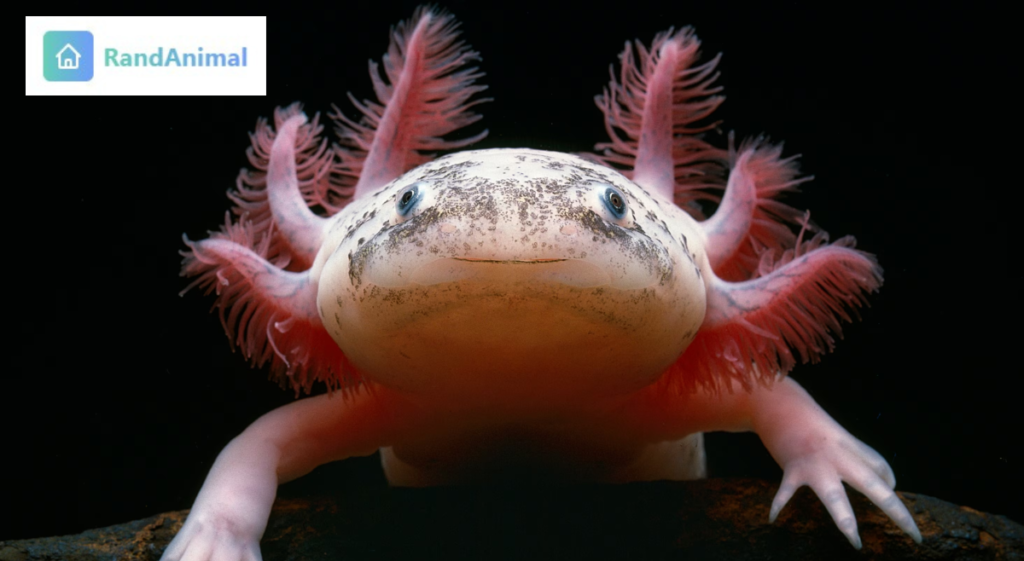
1. Axolotl (Ambystoma mexicanum)
Scientific Name: Ambystoma mexicanum
Conservation Status: Critically Endangered
Native Range: Lake Xochimilco, Mexico
What It Regrows
- Entire limbs
- Heart tissue
- Spinal cord
- Eye tissues and retina
- Parts of the brain, including the cerebellum
The axolotl is widely regarded as the world’s greatest regeneration expert. This permanently aquatic salamander can regenerate an entire limb, including bones, muscles, nerves, blood vessels, and skin, without leaving scars.
When injured, cells near the wound site undergo a process called dedifferentiation, reverting to a stem-cell-like state. These cells form a structure known as a blastema, which serves as the foundation for rebuilding the missing body part.
What makes axolotl regeneration especially remarkable is its precision. Regrown limbs perfectly match the original in size, shape, number of toes, and functionality.
Scientists have identified the PRRX1 gene as a key factor in this process. Humans possess this gene as well, but it is not activated in the same way.
Beyond limb regeneration, axolotls can also repair damaged heart muscle, injured spinal cord tissue, retinal structures, and portions of the brain.
2. Planarian Flatworms
Habitat: Freshwater ponds and streams worldwide
What They Regrow
- Head
- Tail
- Internal organs
- Nervous system
- Nearly any body part
Planarian flatworms take regeneration to an extraordinary level. If a worm is cut in half, both halves regenerate into complete worms. Even tiny fragments can grow into entirely new individuals. Scientists have demonstrated that pieces as small as 1/279th of the original worm can regenerate into complete organisms.
This ability comes from abundant adult stem cells called neoblasts, which make up roughly 25–30% of the animal’s cells. These cells can regenerate organs, rebuild nerve tissue, and restore the body’s overall structure.
Some researchers believe planarians may possess virtually unlimited regenerative potential under ideal conditions.
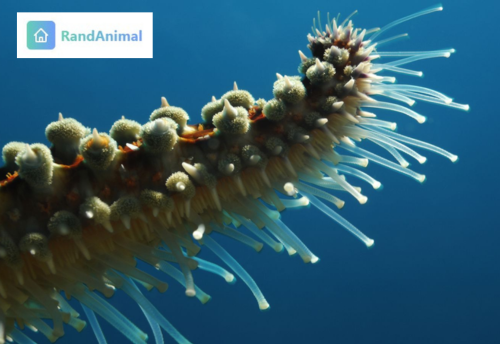
3. Starfish (Sea Stars)
Class: Asteroidea
What They Regrow
- Lost arms
- Internal organs
- Nervous tissue
- Entire bodies in some species
Starfish are among the most famous regenerative animals. Most species can replace a lost arm over several months. Read More Animals With The Most Teeth In The World
Some species, such as the comet sea star, can regenerate an entirely new body from a single detached arm. The arm develops a new stomach, reproductive organs, nervous system, and additional arms.
Many starfish use autotomy, intentionally shedding an arm when attacked by predators. The arm is later replaced, allowing the animal to survive dangerous encounters.
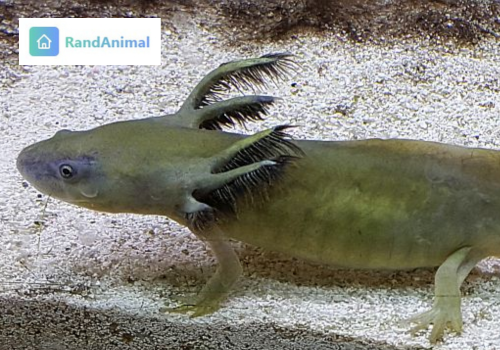
4. Salamanders and Newts
Order: Urodela
What They Regrow
- Limbs
- Tails
- Eye lenses
- Heart tissue
- Retina tissue
While axolotls are famous, many other salamanders and newts also possess remarkable regenerative abilities. The Eastern red-spotted newt can regenerate its eye lens multiple times throughout its life. Studies have shown no decline in the quality of the regenerated lens even after repeated replacements.
Newts can also regenerate damaged heart muscle. Unlike humans, whose hearts typically form scar tissue after injury, newt heart cells divide and replace lost tissue. Research published and discussed by Britannica confirms that axolotls can regenerate not just limbs but also heart tissue, spinal cord sections, and even parts of their brain.
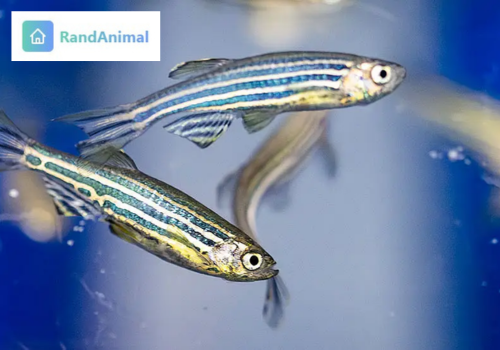
5. Zebrafish (Danio rerio)
Scientific Name: Danio rerio
Native Range: Freshwater streams of South Asia
What It Regrows
- Heart muscle
- Fins
- Spinal cord
- Retina
Despite being only a few centimeters long, zebrafish are among the most important animals in regenerative medicine research. They can regenerate up to 20% of damaged heart tissue without forming scars. Heart muscle cells near the injury site begin dividing and rebuilding the missing tissue.
Zebrafish and Spinal Cord Regeneration
One of the zebrafish’s most impressive abilities is spinal cord regeneration. Following a complete spinal cord injury, zebrafish can regain normal swimming ability within six to eight weeks. Researchers have discovered specialized cells that bridge the injury site and promote the regrowth of damaged nerve fibers.
These findings are helping scientists investigate potential treatments for spinal cord injuries in humans.
6. Hydra
Scientific Name: Hydra spp.
What It Regrows
- Entire body
- Head and mouth
- Tentacles
- Nerve structures
Hydra are tiny freshwater animals with astonishing regenerative powers. If cut into pieces, each fragment can regenerate into a complete animal. Even separated cells can reorganize and rebuild a functioning hydra.
Approximately one-third of a hydra’s cells are stem cells, allowing constant tissue renewal throughout its life. Research suggests hydra show little evidence of biological aging, making them one of the closest examples of biological immortality in nature.
7. Deer
Family: Cervidae
What They Regrow
- Antlers
Among mammals, deer are unique because they completely regrow their antlers every year. Antlers are the fastest-growing bone tissue in any mammal, growing up to 2.5 centimeters per day. A full set can reach maturity within about 90 days.
Scientists believe stem cells located at the base of the antlers drive this process, making deer valuable subjects for regeneration research.
8. Geckos
Family: Gekkonidae
What They Regrow
- Tail (partial regeneration)
Geckos can shed their tails to escape predators through a process known as autotomy. Although the replacement tail differs from the original, it remains functional and provides researchers with insights into regeneration in animals more closely related to mammals.
Scientists have identified hundreds of genes involved in gecko tail regeneration, many of which also exist in humans.
9. Sea Cucumbers
Class: Holothuroidea
What They Regrow
- Digestive tract
- Respiratory trees
- Gonads
- Other internal organs
Sea cucumbers use a dramatic defense mechanism called evisceration, expelling internal organs when threatened. Remarkably, they can regenerate these organs within weeks. Researchers have discovered that many of the molecular pathways involved are similar to those used by other regenerative animals.
10. Sponges
Phylum: Porifera
What They Regrow
- Entire bodies
- All tissue types
Sponges demonstrate one of the most extreme forms of regeneration. When their cells are completely separated, the cells can recognize one another, reunite, and rebuild an entirely functional sponge. This ability highlights the remarkable self-organizing capabilities of living cells.
Why Is Regeneration Important for Humans?
The regenerative abilities of these animals are not just fascinating—they may hold the key to future medical breakthroughs. Scientists study regenerative species to understand how tissues, organs, and body parts can be repaired or replaced.
Blastema Formation
Many regenerative animals form a blastema, a collection of stem-cell-like cells that rebuild lost tissues. Humans largely lose this ability after embryonic development. Understanding blastema formation could help advance regenerative medicine.
Reduced Scarring and Immune Tolerance
Unlike humans, regenerative animals heal with minimal scarring. Researchers hope to learn how these animals control inflammation and promote tissue regrowth instead of scar formation.
Abundant Stem Cells
Animals such as hydra and planarians maintain large populations of stem cells throughout life. Understanding how they preserve these cells may help improve tissue repair and healthy aging in humans.
Reactivating Dormant Genes
Many genes involved in regeneration also exist in humans, but become inactive after birth. Scientists are investigating how these genetic switches work and whether they can be safely reactivated.
Medical Research Inspired by Regenerative Animals
Current areas of research include:
- Lab-grown cartilage and bone scaffolds inspired by deer antler regeneration
- Heart repair therapies based on zebrafish heart regeneration
- Experimental spinal cord injury treatments using zebrafish glial bridging mechanisms
- Studies of axolotl blastema formation for future limb-regeneration therapies
Although true human limb regeneration remains a distant goal, these discoveries are helping scientists develop new approaches to healing damaged tissues and organs.
Conclusion
From the axolotl and zebrafish to the planarian and hydra, regenerative animals demonstrate some of nature’s most extraordinary biological abilities.
These species are more than scientific curiosities. They provide valuable insights into healing, tissue repair, aging, and cellular regeneration that could shape the future of medicine.
As scientists continue studying these remarkable creatures, they move closer to answering one of biology’s greatest questions: How does life rebuild itself? The answer may one day revolutionize healthcare and regenerative medicine.
FAQs
Which animal has the strongest regeneration ability?
The axolotl is generally considered the champion of regeneration among vertebrates because it can regrow entire limbs, parts of the brain, spinal cord tissue, heart muscle, and eye structures with remarkable accuracy.
Can humans regrow lost limbs like axolotls?
No, humans cannot naturally regrow entire limbs. However, scientists are studying animals such as axolotls, zebrafish, and salamanders to understand the biological mechanisms that might one day improve human regenerative medicine.
What animal can regenerate its entire body from a small piece?
Planarian flatworms are among the most impressive examples. Even tiny fragments of a planarian can regenerate into a complete organism because of their large population of stem cells called neoblasts.

Ali is an animal enthusiast and wildlife writer with a passion for making nature science easy to understand. He has been researching and writing about animal behavior and biology for over 3 years.