
For humans, sleep is usually an all-or-nothing event. Once we fall asleep, both eyes close and our entire brain settles into rest, leaving us mostly unaware of the world around us until morning. But in the animal kingdom, full unconsciousness can be a dangerous luxury.
Some animals cannot afford to fully shut down, whether because they need to keep breathing, stay alert for predators, or keep moving through the sky or water. To solve this problem, several species have evolved a remarkable trick.
They sleep with one half of the brain at a time, which often means literally sleeping with one eye open while the other stays shut. In this article, we will look at how this works, which animals use it, and what real research says about this strange and clever survival tool. Read More Animals With Secret Lives Nobody Talks About.
What Is Actually Happening In The Brain
This sleeping pattern has an official scientific name. According to Wikipedia, this is called unihemispheric slow wave sleep, often shortened to USWS, and it describes a state where one half of the brain rests in deep sleep while the other half stays alert and awake. This is very different from how normal sleep works in humans, where both eyes shut and both halves of the brain slip into unconsciousness together.
In USWS, the eye connected to the sleeping half of the brain closes, while the eye connected to the awake half stays open. When researchers study this using a method called electroencephalography, which measures electrical activity in the brain, they can clearly see slow, deep sleep patterns on one side of the brain while the other side shows the kind of fast, active patterns normally associated with being fully awake.
According to Scientific American, this is most likely a protective mechanism that lets an animal keep flying or swimming while still watching its surroundings for danger with one half of its brain, even while the other half gets the rest it needs.
Dolphins, The Most Famous Example
If there is one animal most associated with this unusual sleeping style, it is the dolphin. Dolphins are mammals, which means they need to breathe air regularly, but they also live their entire lives in water. If a dolphin fell into a full, deep sleep the way humans do, it would stop breathing and could drown.
According to a wildlife publication, dolphins solve this problem by resting one side of the brain while the other side stays alert enough to keep them swimming, surfacing for air, and watching for predators in the water. This means a dolphin technically never falls into the kind of complete unconsciousness that humans experience every night.
Interestingly, the scientific study of this entire phenomenon actually began with dolphins. According to Scientific American, a researcher named John C. Lilly first proposed in 1964 that dolphins might be sleeping with only half of their brain, after he noticed that the animals kept only one eye closed at a time during rest. Later studies using brain monitoring equipment confirmed that this was exactly what was happening.
Beluga Whales And Other Cetaceans
Dolphins are not the only marine mammals that rely on this trick. Beluga whales, easily recognized by their pale white skin and rounded foreheads, use the very same unihemispheric sleep strategy.
According to a wildlife resource, beluga whales can often be seen floating peacefully near the surface of the water while resting in this half-asleep, half-awake state, allowing them to continue breathing and staying aware of their surroundings at the same time.
This same basic system shows up across the wider group of marine mammals known as cetaceans, which includes whales, dolphins, and porpoises. According to research published on ScienceDirect, unihemispheric sleep prevents these animals from drowning by allowing them to keep swimming and rise to the surface to breathe, even while part of their brain is deeply asleep.
Fur Seals And Sea Lions
Seals show an especially interesting version of this behavior because they actually switch styles depending on where they are. According to Scientific American, when fur seals are in the water, they adopt a posture where they float on one side, paddle gently with one flipper to stay near the surface, and keep one eye open to watch for approaching predators while resting the rest of their body.
However, once these same seals climb out onto land or ice, where the danger of drowning or sudden predator attacks is lower, many of them switch back to normal, full brain sleep with both eyes closed. This flexibility shows that unihemispheric sleep is not a fixed trait these animals are stuck with, but more like a tool they can switch on only when the situation actually calls for it.
Crocodiles Keeping Watch
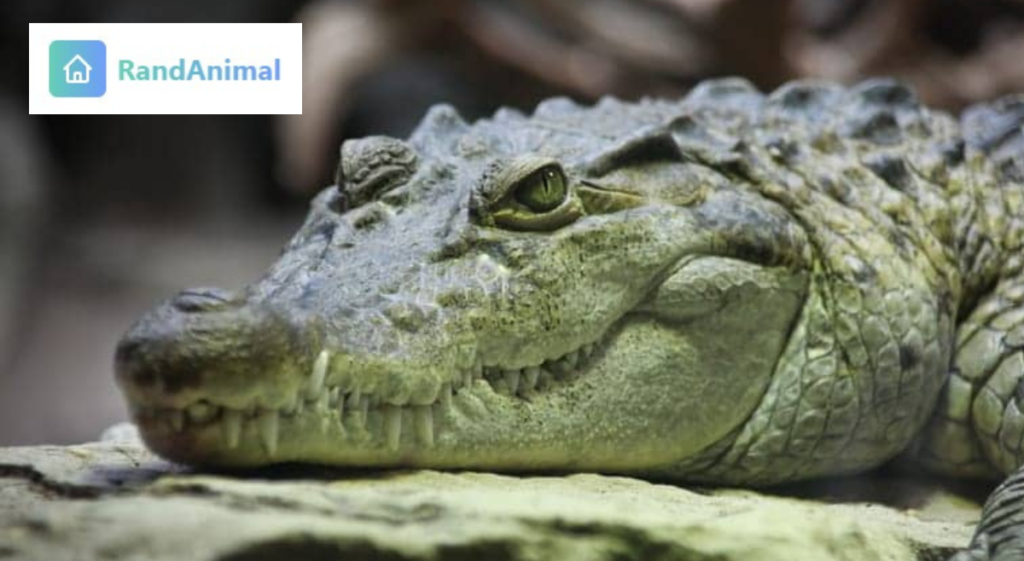
Reptiles join this list, too, and crocodiles are one of the clearest examples. According to a report on animal sleep behavior, crocodiles sleep close to the water with one eye open, allowing them to stay aware of nearby prey or approaching threats even while resting.
This matters a great deal for an animal that spends so much time near the water’s edge, where danger can come from multiple directions at once, including other crocodiles competing for territory.
Researchers studying crocodile sleep in Australia found that this single eye open behavior becomes especially noticeable when another crocodile or a person is nearby, suggesting the animal is adjusting its alertness based on the level of risk in that moment.
Birds That Sleep While Watching For Danger
Birds are some of the most studied examples of one eye open sleep, and the reasons can vary quite a bit depending on the species and its situation. Mallard ducks offer one of the clearest demonstrations of this.
According to a report referencing research published in the journal Science, ducks resting at the edge of a group tend to keep one eye open and alert for predators, while ducks resting safely in the center of the group feel secure enough to close both eyes completely.
This shows that the behavior is not just automatic, but tied directly to how exposed or protected each bird feels at that moment. Swifts take this strategy to an extreme. According to a Nature publication, these birds are known for their ability to sleep while still flying, and unihemispheric sleep is a big part of how they manage it.
By resting one half of the brain at a time, swifts can stay airborne and keep navigating safely through the sky for extremely long stretches without ever needing to land. Explore the mysterious world of deep ocean life in “Rarest Deep Sea Creatures Ever Caught on Camera. Discover strange and fascinating species that live in the extreme depths of the sea.
Researchers studying bird sleep at PennNeuroKnow explain that birds rely on this trick for slightly different reasons than marine mammals. Instead of needing to breathe and swim at the same time, birds mainly use this ability to stay alert to threats from predators while still getting some of the rest they need.
Sharks and a Still-Developing Mystery
Sharks present one of the more uncertain and interesting cases on this list. Many shark species must keep swimming constantly in order to keep water flowing over their gills so they can breathe, which raises an obvious problem when it comes to resting.
According to a Nature publication, some shark species appear to use a form of unihemispheric sleep to manage this challenge, resting half of the brain at a time so they can keep moving and stay aware of their surroundings without ever coming to a complete stop.
Scientists note that this area is still being studied closely, since sharks are much harder to monitor with brain scanning equipment compared to easily observed mammals like dolphins or seals.
Why This Adaptation Matters
This sleeping style is not just a strange party trick of nature. According to Wikipedia, unihemispheric slow wave sleep offers real, practical advantages, including the ability to rest safely in areas where predators are common, or during extremely long migratory flights where landing simply is not an option.
It is also a striking example of something scientists call convergent evolution, where completely unrelated species develop the same solution to a similar survival problem, despite evolving along totally separate paths.
Dolphins, seals, crocodiles, and birds are not closely related to each other at all, yet they all arrived at strikingly similar brain-based solutions for staying safe while still getting needed rest.
A Common Question People Ask
A question that often comes up in casual conversations and online discussions is whether humans have any version of this ability at all, or whether it is something only found in animals. According to research highlighted by Scientific American, scientists have actually discovered a faint, watered-down version of this phenomenon in humans, too.
Studies have found that when people sleep in an unfamiliar place, such as a hotel room on the first night of a trip, one hemisphere of the brain tends to stay slightly more alert than the other, almost like a built-in caution response left over from a much older survival instinct.
It is nowhere near as dramatic as what dolphins or birds experience, but it suggests that the building blocks for this kind of alert sleep might exist in all of us, just in a much smaller and less noticeable form.
Final Thoughts
Sleeping with one eye open might sound like something out of a spy movie, but for many animals, it is simply a practical and elegant solution to a very real survival problem.
Whether it is a dolphin that needs to keep surfacing for air, a bird that needs to stay airborne for days at a time, or a crocodile watching for the next threat near the water’s edge, unihemispheric sleep allows these animals to rest without ever fully letting their guard down.
The next time you hear the phrase about someone sleeping with one eye open, remember that for plenty of creatures out in the wild, it is not just a saying. It is a genuine, scientifically documented survival skill that has evolved again and again across very different branches of the animal kingdom.
FAQs
1. Why do animals sleep with one eye open?
Animals sleep with one eye open to stay alert to predators while still resting. This improves their chances of survival in dangerous environments.
2. Which animals can sleep with one eye open?
Birds such as ducks and pigeons, marine mammals like dolphins and whales, and some reptiles and fish all show this behavior.
3. Do humans sleep with one eye open like animals?
Humans do not naturally sleep with one eye open like these animals. However, during light sleep, humans may still respond slightly to sounds or movement, but full unihemispheric sleep does not occur in humans.

Ali is an animal enthusiast and wildlife writer with a passion for making nature science easy to understand. He has been researching and writing about animal behavior and biology for over 3 years.