

Most dog owners have seen it happen and assumed something was wrong. Their dog walks past a full bowl of food, heads outside, and starts eating grass like it has somewhere to be. The behavior looks strange, but it is one of the most documented and studied habits in domestic dogs, reported across every breed, age group, and diet type. Veterinarians see this question more than almost any other.
Researchers have run controlled studies on it. And the answer is not simple, because the behavior does not have a single cause. This article breaks down what the science actually says about why dogs eat grass, which theories have evidence behind them, and what the behavior is most likely telling you about your dog specifically.
It Might Just Feel Good
The most obvious explanation is that dogs simply enjoy eating grass. Grass is new, mild in taste, and offers variety compared to their usual food. Dogs explore the world by sniffing and chewing on things like sticks, socks, shoes, paper, and furniture. Grass is just another available texture they interact with.
Research shows that most dogs who eat grass do not appear sick before or after. They are not necessarily trying to vomit or relieve discomfort. This suggests that many dogs eat grass simply because they want to, not because they have a medical reason.

They May Be Uncomfortable in Their Stomach
This is the explanation most owners assume first: dog eats grass → dog vomits → must be self-treatment. Grass can be hard to digest and may irritate the stomach lining, which could trigger vomiting. In some cases, dogs may eat grass to relieve nausea or discomfort.
Some observations support this theory—certain dogs appear restless before eating grass, then vomit shortly after and seem relieved. However, the evidence is limited. Studies show that less than a quarter of dogs that eat grass actually vomit afterward. A study published in Applied Animal Behaviour Science surveyed over 1,500 dog owners and found that grass eating was common across all ages and diets, with vomiting reported in only 22% of cases, leading researchers to conclude that self-medication is unlikely to be the primary driver.
If vomiting were the main purpose, this rate would likely be much higher. So, while some dogs may eat grass due to stomach upset, this does not explain all cases.
They May Be Missing Something in Their Diet
Another theory suggests dogs eat grass because of nutritional needs, especially fiber. Grass contains fiber that helps support digestion. There is also an example reported in observational pet studies of Research into ancestral canine diets that found plant material in the stomach contents of wild canids in roughly 74% of cases, suggesting plant consumption is a normal part of canine biology rather than a response to deficiency alone. While not conclusive, it suggests diet can play a role.
Some researchers also believe grass may contain trace minerals or plant compounds that are not fully present in processed dog food. Wild ancestors of dogs consumed plant material along with meat, so this behavior may still exist today.
It Could Be a Leftover Instinct
Dogs evolved from wolves, which consumed whole animals—including stomach contents that often contained plant material. Even though modern dogs no longer hunt or eat whole prey, this instinct may remain. Grass is simply the most accessible plant material in its environment.
This theory is supported by the fact that well-fed dogs with no nutritional deficiencies still eat grass regularly. It suggests the behavior is not always about need, but instinct. Read More about Animals With Secret Lives Nobody Talks About.
A 2008 study in the journal Veterinary Medicine found that grass eating was equally common in dogs fed nutritionally complete diets as in those with potential deficiencies, directly supporting the instinct theory over the nutritional need theory. This is one of the few studies that tested both theories simultaneously.
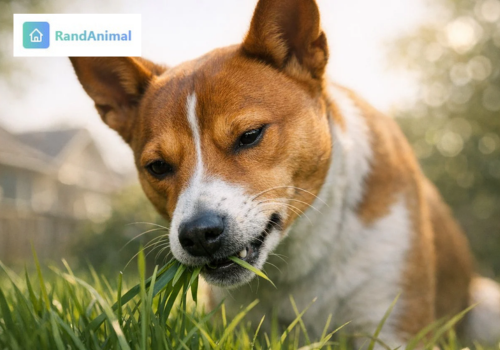
Boredom and Habit
Dogs that spend long hours outdoors with little stimulation may eat grass simply out of boredom. It gives them something to chew and helps pass the time. Dogs are also creatures of habit. If a behavior is repeated often, it can become routine—even if the original reason no longer exists. A dog that once ate grass due to stomach discomfort may continue doing it later out of habit.
Puppies may also start eating grass out of curiosity, and the behavior can continue into adulthood if not discouraged.
Is It Safe?
In most cases, eating plain grass is not harmful to dogs. The real risk comes from what is on the grass, not the grass itself. Lawns treated with pesticides or chemical fertilizers can be dangerous if ingested. Dogs eating treated grass may suffer from poisoning and should be monitored closely. You may also be interested in Animals That Sleep With One Eye Open.
Some ornamental plants growing near grass may also be toxic. Dogs chewing near flower beds should be checked for possible plant ingestion. If the dog is healthy and the behavior is occasional, most veterinarians consider it normal. However, frequent or obsessive grass-eating should be evaluated by a vet.

What Vets Really Say
Veterinarians generally consider occasional grass eating normal behavior in healthy dogs. It is one of the most common concerns reported by pet owners.
They recommend ensuring the grass is clean and chemical-free. In some cases, adjusting the dog’s diet—especially increasing fiber—may reduce the behavior.
If grass eating occurs alongside symptoms like weight loss, lethargy, frequent vomiting, or changes in stool, it may indicate an underlying health issue and should be checked.
Final Thoughts
Dogs eat grass for many possible reasons: boredom, instinct, mild stomach discomfort, or simple curiosity. Not all dogs do it for the same reason. What the research consistently shows is that grass eating is normal, ancient, and largely harmless. The more useful question for owners is not why it happens but when to pay attention. Occasional grazing means nothing.
Compulsive, frantic, or symptom-accompanied grass eating is the signal that warrants a vet visit. If the grass is clean and the dog appears healthy, there is usually no cause for concern—it is simply a dog being a dog.
FAQs
1. Why do dogs eat grass and then vomit?
Some dogs may eat grass to relieve stomach discomfort or nausea. The grass can irritate the stomach and trigger vomiting, though this does not happen in all cases.
2. Is grass eating harmful for dogs?
Eating plain grass is usually harmless, but eating grass treated with chemicals or nearby toxic plants can be dangerous and may cause illness.
3. Should I stop my dog from eating grass?
If the grass is clean and the behavior is occasional, it is usually not necessary to stop it. However, frequent or obsessive eating should be checked by a vet.
4. Does eating grass mean my dog is sick?
Not necessarily. Most dogs that eat grass are healthy. However, if it is accompanied by symptoms like vomiting, lethargy, or weight loss, it may indicate a health issue.

Ali is an animal enthusiast and wildlife writer with a passion for making nature science easy to understand. He has been researching and writing about animal behavior and biology for over 3 years.