
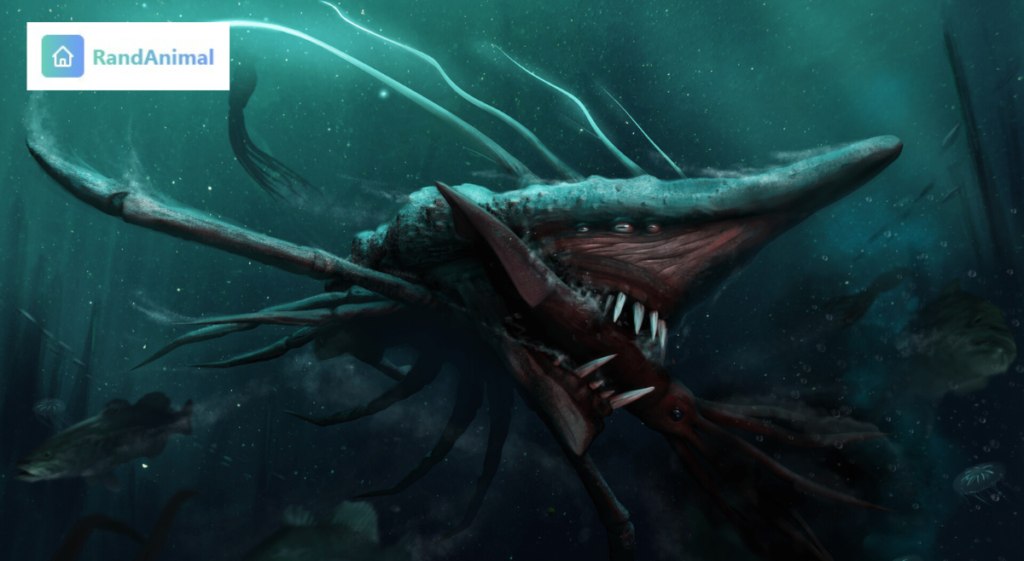
Over 80% of the ocean remains unexplored, and in its darkest depths, something extraordinary is happening. Deep-sea creatures that glow in the dark have evolved one of nature’s most ingenious survival mechanisms, yet most people have never heard of them. Why do some fish carry their own lanterns? The deep ocean is full of creatures that seem almost too strange to be real. If bioluminescence fascinates you, you will find our article on the top 10 scariest deep-sea animals ever discovered equally hard to put down. How does a jellyfish produce a cold, ghostly blue light?
The answers are stranger and more beautiful than you’d expect. This article pulls back the curtain on the ocean’s most spectacular living light show. From pressure-resistant fish to powerful deep-sea scavengers, you’ll learn what makes these creatures so strong and why scientists continue to study them. Read More about The Deepest Sea Creatures Ever Discovered by Science.
What Is Bioluminescence?
Bioluminescence is light produced by living organisms through a chemical reaction inside their body. A molecule called luciferin reacts with oxygen and releases energy in the form of light. This reaction is controlled by an enzyme called luciferase.
Bioluminescence produces very little heat compared to a light bulb and is often called “cold light.” It is highly efficient, which is why many deep-sea organisms use it.
The light is usually blue or green because these wavelengths travel farthest in seawater. In rare cases, some animals can produce red light, which gives them a major advantage since most deep-sea species cannot detect it.
Bioluminescence is used in many ways: to catch prey, confuse predators, communicate, attract mates, and provide camouflage. This ability has evolved independently many times across different species.
Anglerfish
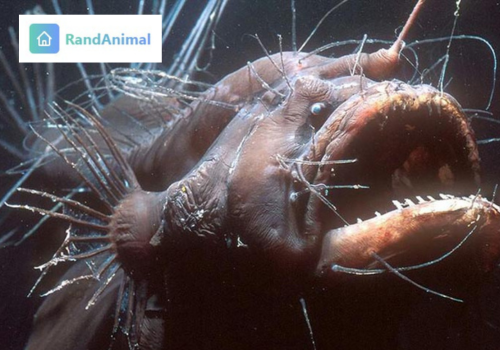
One of the most famous deep-sea creatures, the anglerfish lives at depths of 200 to 4,000 meters in total darkness. It has a modified spine on its head that acts like a fishing rod, ending in a glowing lure. This light is produced by bioluminescent bacteria housed in a bulb-like organ. The brightness can be slightly controlled through blood flow.
Small fish and crustaceans are attracted to the light, allowing the anglerfish to strike with its large, curved teeth. Because food is scarce, the anglerfish can swallow prey larger than itself and may go long periods without eating.
Firefly Squid
The firefly squid lives in the waters around Japan and grows up to eight centimeters long. It has thousands of light-producing organs called photophores across its body. In spring, millions gather in Toyama Bay, creating a bright blue glow across the water. It uses bioluminescence for counterillumination. The squid matches the light coming from above, making its body nearly invisible to predators below.
Read more about the ocean’s most powerful predators and their incredible survival abilities in this detailed guide on the Strongest Deep Sea Creatures Ever Found, where you’ll discover how these animals survive extreme pressure, darkness, and limited food deep beneath the ocean surface.
Vampire Squid
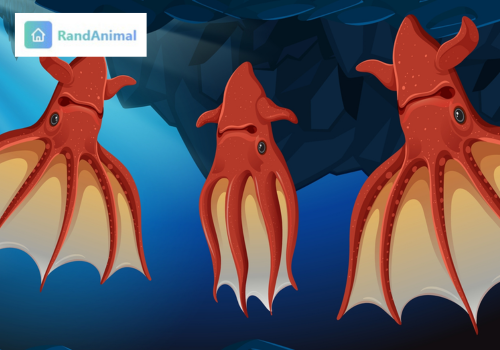
The vampire squid is not a true squid or octopus but a unique deep-sea species living at depths of 600 to 900 meters, where oxygen is very low. It has photophores across its body that produce flashes of light to confuse predators. It can also detach glowing filaments to distract attackers while escaping.
Read more about the ocean’s most powerful predators and their incredible survival abilities in this detailed guide on the Strongest Deep Sea Creatures Ever Found, where you’ll discover how these animals survive extreme pressure, darkness, and limited food deep beneath the ocean surface.
Lanternfish
Lanternfish live at depths of 200 to 1,000 meters and are among the most abundant vertebrates on Earth. They have rows of photophores along their bodies that emit blue-green light for counterillumination, hiding their silhouette from predators below.
They migrate upward at night to feed on plankton and return to deep waters before dawn, playing a key role in the ocean’s carbon cycle.
Comb Jellies (Ctenophores)
Comb jellies are transparent marine animals with rows of cilia that help them move. These cilia scatter light into rainbow-like patterns across their bodies. They also produce bioluminescent flashes, usually blue-green, when disturbed. This is believed to act as a defense mechanism to startle predators.
Comb jellies are found from the ocean surface to the deepest zones and are considered among the earliest evolving animals with light-producing abilities.
Dragonfish
The dragonfish has a long body, sharp teeth, and a glowing chin barbel used to lure prey. It is one of the few deep-sea animals capable of producing red light. Since most deep-sea organisms cannot see red, the dragonfish can hunt using a private “invisible” light source. This makes it one of the most advanced bioluminescent predators.
Bioluminescent Sharks
Some deep-sea sharks, including the kitefin shark, blackbelly lanternshark, and southern lanternshark, produce light. The kitefin shark can grow nearly two meters long and glows blue-green from its underside. This glow is used for counterillumination, helping it blend into faint light when seen from below.
Siphonophores
Siphonophores are colonial organisms made up of many specialized individuals acting as one. Some species can grow over 40 meters long. They produce long chains of bioluminescent light that ripple through the water when disturbed. These glowing strands attract small prey, which are then captured by stinging tentacles.
Cookiecutter Shark
The cookiecutter shark has a glowing underside with a dark patch that resembles a small fish when seen from below. Larger animals are drawn toward this illusion. When they approach, the shark bites a circular piece of flesh, giving it its name. It has been known to feed on whales, dolphins, large fish, and even submarines.
Sea Devils and Hatchetfish
Hatchetfish live at depths of 200 to 600 meters and use photophores on their underside to produce light for counterillumination. They can adjust brightness to match overhead light, making them nearly invisible. Sea devils, relatives of anglerfish, also use glowing lures and body flashes, though many of their behaviors are still being studied.
How Scientists Study Bioluminescence
Scientists use ROVs with sensitive cameras to record bioluminescence without disturbing deep-sea animals. Light sensors are also deployed to measure flashes at different depths.
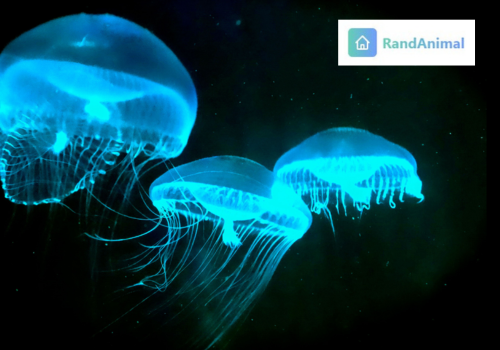
Marine biologist Edith Widder developed an electronic jellyfish (“e-jelly”) that mimics the distress signals of a comb jelly. This attracted predators and helped capture the first footage of a giant squid in 2004.
Bioluminescence: More Than Just the Deep Sea
Bioluminescence research has expanded into medicine and genetics. Genes from light-producing organisms are used as biological markers in research. Green fluorescent protein (GFP), discovered in jellyfish, helps scientists study living cells, including cancer growth and nerve activity. Luciferase enzymes from fireflies and marine organisms are used in medical tests to detect diseases.
FAQs
Q1: What is bioluminescence in simple terms?
Bioluminescence is light produced by living organisms through a chemical reaction inside their bodies.
Q2: Why do deep-sea animals use bioluminescence?
They use it for hunting, camouflage, communication, and defense.
Q3: Can humans use bioluminescence?
Yes. Scientists use bioluminescent proteins like GFP and luciferase in medical and biological research to study cells and diseases.
Final Thoughts
The deep ocean is the largest dark environment on Earth, yet it is filled with natural light. Many organisms that have never seen sunlight create glowing signals to survive, hunt, and communicate. Each discovery reveals more about this hidden glowing world, and much of it is still unexplored.

Ali is an animal enthusiast and wildlife writer with a passion for making nature science easy to understand. He has been researching and writing about animal behavior and biology for over 3 years.